Low water pressure can be a big headache. It can turn a refreshing shower into a trickle, increase the time it takes to wash dishes and even slow the performance of your appliances. We understand how bad it can be, and you are not alone. We have created this guide to help you navigate this common problem.
We will walk you through the common reasons for low water pressure, some easy solutions you can try yourself and when it is best to call a Jaetech Plumbing service.
Why is my water pressure low?
Several factors can cause low water pressure in a home. Here are the most common reasons:
Problems with the water supply
Sometimes the issue is not inside your home at all. If there is a major water supply problem in your area, you may notice sudden drops in pressure. This can happen due to:
- Burst pipes or leaks in the main supply
- Maintenance work by your water company
- High demand in your neighbourhood
Clogged pipes or fixtures
Over time, mineral deposits and limescale can build up inside taps, pipes and showerheads. This is common in areas with hard water. The buildup narrows the pipes and decreases water flow.
Check your:
- Tap aerators
- Showerheads
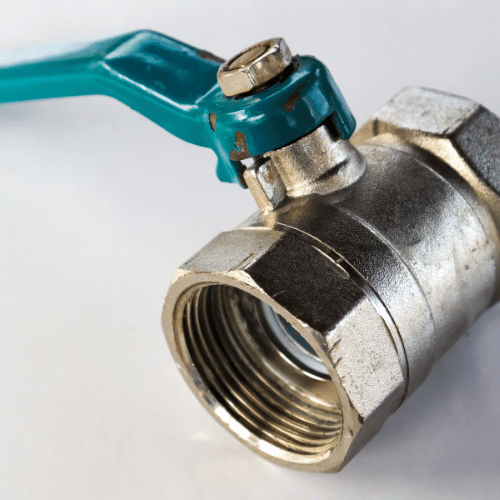
- Pipe valves
Cleaning these regularly can improve water pressure significantly.
Faulty or old plumbing
Older houses generally have outdated plumbing systems with narrow or corroded pipes that can potentially block water flow. If your home still has galvanised iron pipes, corrosion inside them can cause serious pressure drops. In such cases, a professional may recommend a pipe replacement.
How to fix low water pressure
Depending on the cause, there are many ways to improve water pressure in your home.
Clean showerheads and tap aerators
Soaking them in vinegar will remove limescale buildup on showerheads and taps. This easy DIY fix will improve water flow.
Check for leaks
Inspect your home for visible leaks. If you find dripping pipes or damp patches, call a plumber to repair them. Fixing leaks not only restores water pressure but also saves money and water.
Adjust the water pressure regulator
If your home has a pressure regulator, check the setting. You can adjust it to increase pressure, but be cautious. Pressure that is too high can damage your plumbing.
Install a boosting pump
For houses with low pressure from the mains, a water pressure booster pump can raise daily flow through the house. This is a common solution in older properties or homes that are further away from the supply line.
Replace old pipes
If your pipes are too narrow or corroded, replacing them with modern pipes can improve water pressure and prevent future issues.
Maintain your hot water system
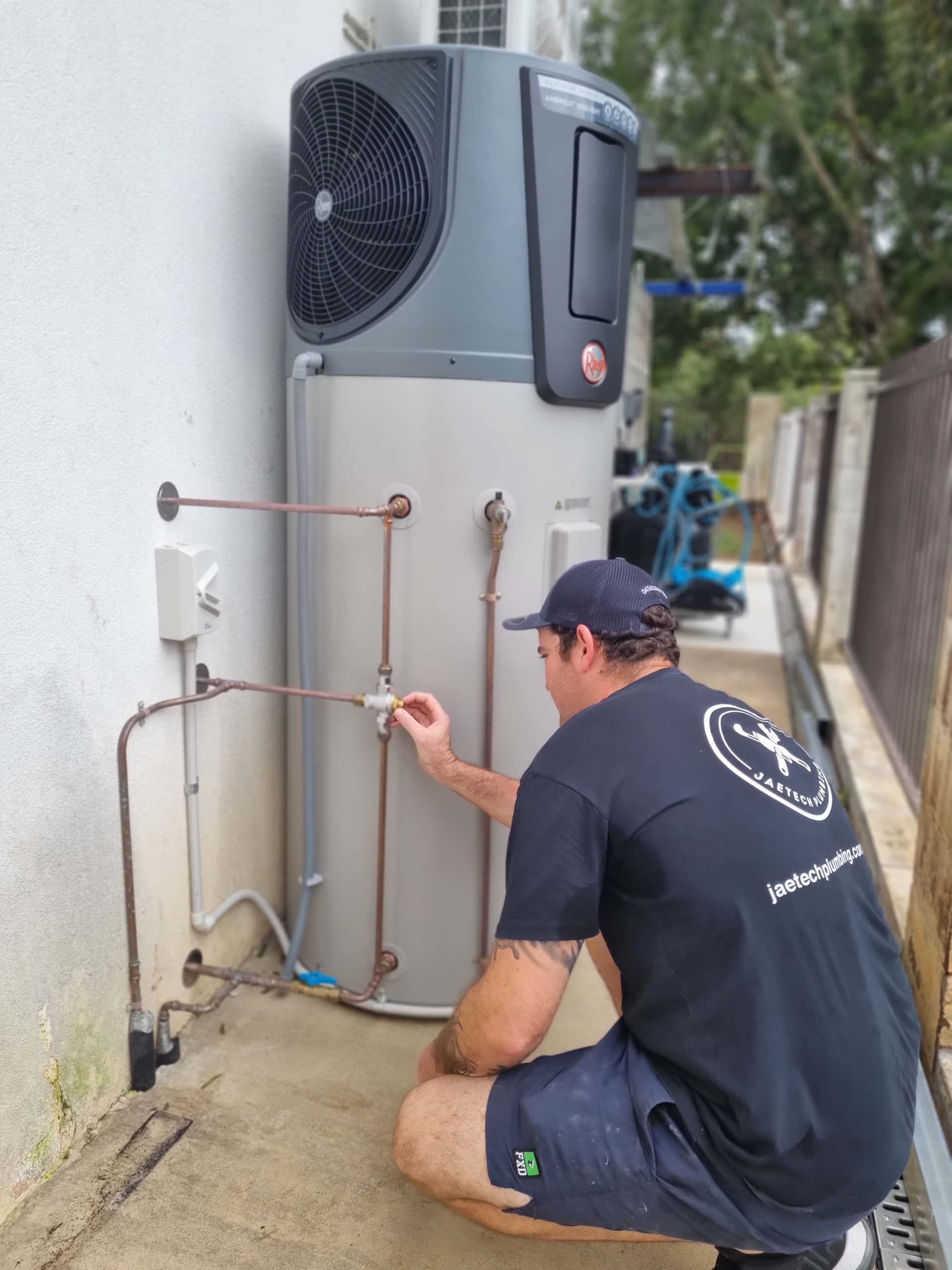
For hot water pressure problems, check your boiler or cylinder. Bleed radiators, remove sediment from the tank and make sure the system is balanced. A plumber can help with more complex maintenance.