A simple look at what a septic tank is
A septic tank is an underground structure used to treat household wastewater in areas where there is no connection to a central sewer system. It gathers and holds wastewater from toilets, sinks, drains and showers. The tank separates the waste into three layers and gives homes in rural or remote areas a simple, self-contained way to manage wastewater.
What happens inside the tank
A septic tank is a water-tight container that collects all the water drained from a house. Once the wastewater enters the tank, it naturally separates into three layers: scum, effluent and sludge.
Scum
This is the top layer in the tank. It is made up of oils, fats and grease that float when the water has time to sit. This usually comes from soaps, cooking fats and other household products.
Effluent
This is the middle layer. It is mostly the leftover water after the scum has floated to the top and the solids have sunk to the bottom. The effluent leaves the tank through the outlet pipe and moves into the drain field, where it spreads out and filters into the soil.
Sludge
This is the bottom layer, made up of heavier solid waste that sinks as it separates from the water. Sludge also contains the byproducts of other waste breaking down over time.
A septic system relies on bacteria inside the tank to break down the solids. Once the solids have decomposed enough, the remaining liquid moves out into the drain field.
What septic tanks are made from
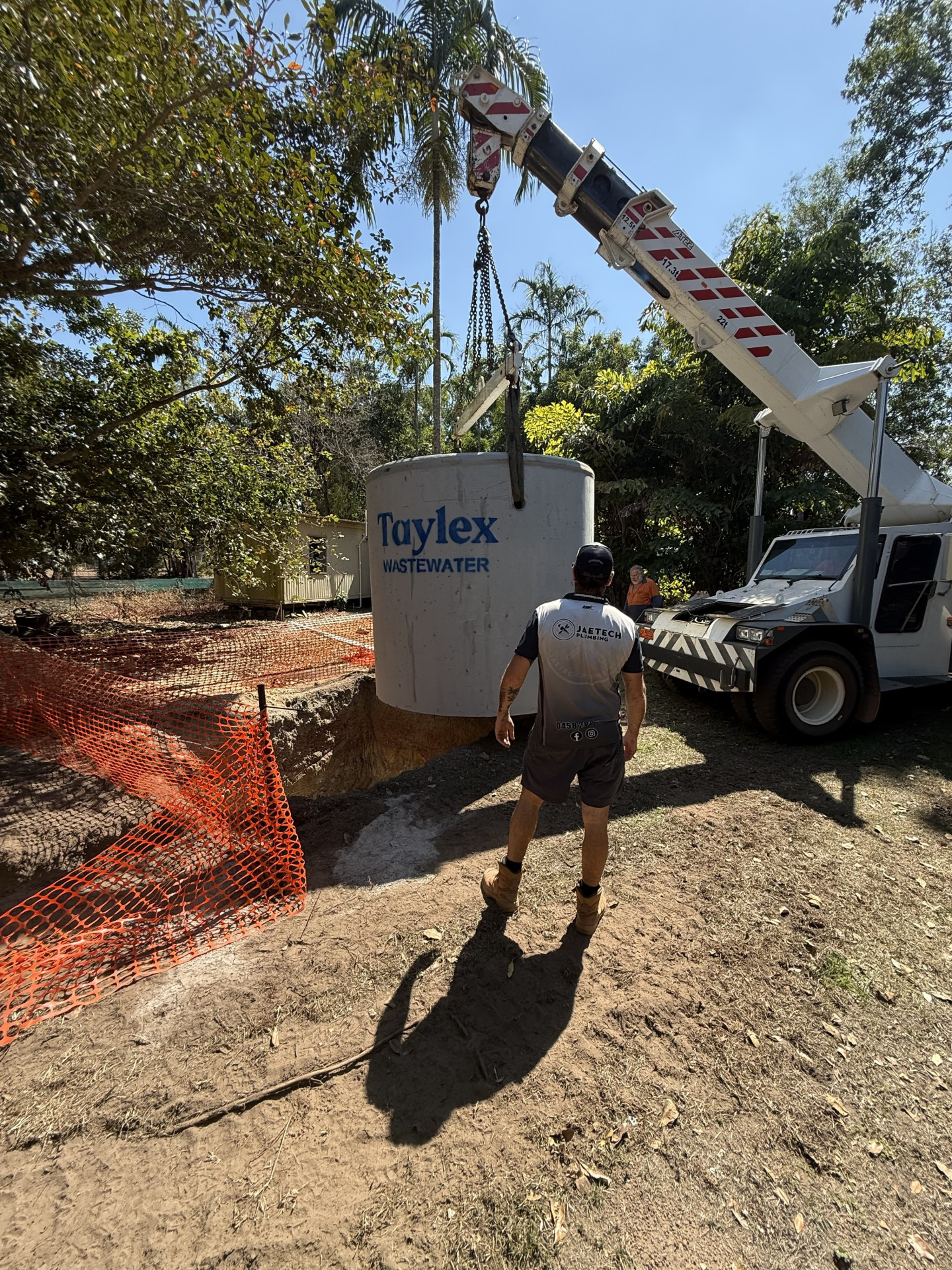
Most septic tanks are made from fibreglass, concrete or polyethylene. These materials are strong and hold up well underground. If a tank cracks or breaks, wastewater can leak out and cause major issues, so the tank material and installation matter.
A septic tank holds wastewater long enough for oils and solids to separate properly, which is why the tank must stay sealed and in good condition.
Benefits of septic systems
There are a few advantages to having a septic system:
Bringing it all together
Septic tanks do a lot of work underground that most people never see. They separate the waste in layers and let the bacteria break down and treat the water. With regular maintenance and upkeep, a septic system can safely handle household wastewater for many years to come.